
Pelvic Health Products a Pelvic Floor Physical Therapist Recommends
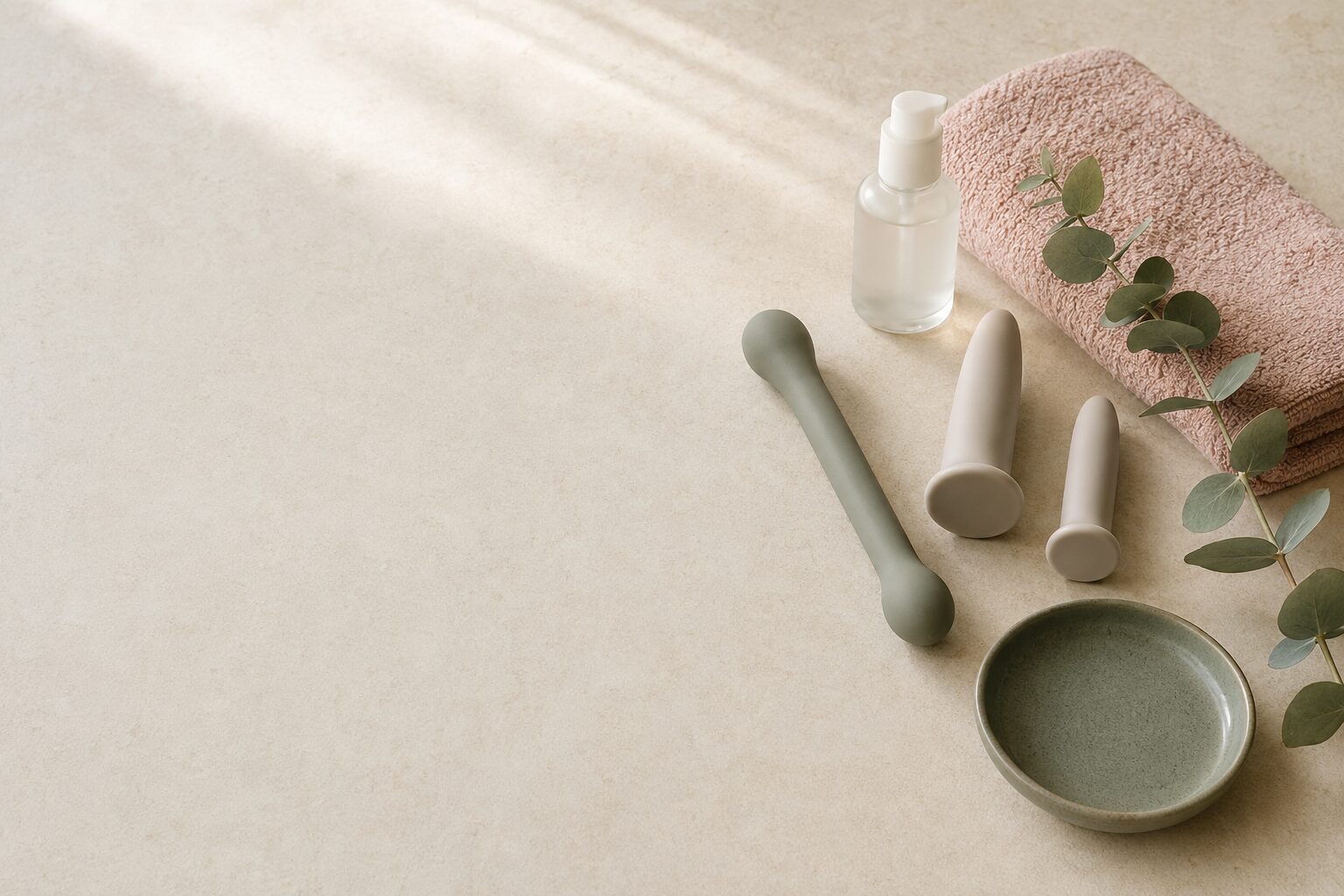
Pelvic health products can be useful—but the most helpful tool is the one that matches your symptoms, your body and a clear goal. A pelvic wand, bladder support or incontinence clamp is not automatically right for everyone with a similar diagnosis.
Below, I explain the pelvic floor therapy products I am most often asked about, what each category is designed to do and when it makes sense to get guidance before buying. You can also visit my curated recommended-products page for the specific options I share with patients.
Start With the Problem You Want to Solve
“Pelvic floor product” is a broad label. One person may be working on painful pelvic floor muscle tension. Another may want support for leaks while running. Someone recovering after prostate surgery may be looking for more confidence during a workday. Those goals call for very different tools.
Before you buy, name the symptom, when it happens and what you want to do more comfortably. That simple step helps narrow the choices and prevents a product from becoming an expensive guess.
Pelvic Wands and Vaginal Dilators for Muscle Tension and Pain
A pelvic wand is shaped to help reach pelvic floor muscles during a clinician-guided home program. Vaginal dilators come in graduated sizes and are commonly used to build comfort with insertion over time. They may be considered for pelvic floor tightness, vaginismus, painful intimacy, scar sensitivity or after certain medical treatments.
The goal is not to force tissue to “stretch.” Good pelvic floor therapy combines the tool with breathing, nervous-system regulation, positioning, pacing and a clear understanding of what your muscles are doing. Pain that escalates, lingers or feels sharp is a reason to stop and ask for guidance.
Choosing a Lubricant for Pelvic Floor Therapy or Intimacy
Lubricant reduces friction and can make intimacy or a home program more comfortable. Water-based formulas are widely compatible but may need reapplication. Silicone lubricants often last longer, which some people prefer for intimacy or water-based activities.
Always check compatibility when using lubricant with a silicone wand or dilator; some silicone formulas can affect some silicone devices. Fragrance, warming ingredients or other additives may also irritate sensitive tissue. A simple formula and a small patch test can be a sensible starting point.
Bladder Supports for Women With Stress Urinary Incontinence
Stress urinary incontinence is leakage with pressure—often coughing, sneezing, jumping, running or lifting. Internal bladder supports such as Uresta or Revive are designed to add support during those moments. They can be useful for certain activities and may help some women stay active while also addressing strength, coordination, pressure management and contributing factors.
A support is not the same as pelvic floor strengthening, and leaking does not always mean the pelvic floor is weak. Fit, comfort, vaginal tissue health, prolapse symptoms and the ability to empty your bladder all matter. If insertion is painful, the device will not stay in place or urination changes, contact a health professional.
Male Incontinence Clamps and Cuffs for Urinary Leakage
Men may experience urinary leakage after prostate surgery or treatment, or for other reasons. External products such as the Pacey Cuff and Wiesner incontinence clamp are designed to temporarily limit leakage by applying external pressure.
Correct sizing and use are essential. Follow the manufacturer’s schedule, remove the device to urinate and monitor skin color, sensation and comfort. Numbness, pain, swelling, skin injury or difficulty urinating are reasons to remove it and seek medical guidance. A pelvic floor physical therapist can also help address coordination, urgency, strength and return to activity alongside symptom-management products.
When to Ask a Pelvic Floor Physical Therapist First
Get individualized guidance when symptoms are new, worsening or hard to identify; when a product causes pain; or when you have bleeding, recurrent infections, difficulty emptying the bladder or bowel, recent surgery, pregnancy or significant pelvic organ prolapse symptoms. A sudden loss of bladder or bowel control with new weakness or numbness needs urgent medical attention.
An evaluation does more than recommend a product. It helps determine whether the pelvic floor is overactive, underactive, poorly coordinated or responding to another issue—and builds a plan around the activities you want to return to.
See Melissa’s Curated Product Guide
Compare the pelvic wands, dilators, lubricant, women’s bladder supports and men’s incontinence products Melissa recommends for the right situations.
View recommended productsBook a free 15-minute consultA Product Should Make the Plan Clearer
The best pelvic health tool has a specific purpose, clear instructions and a way to measure whether it is helping. If you are unsure what your symptoms mean or which category fits, start with a conversation. You may need a product, a different approach—or simply reassurance about the right next step.
This article is educational and is not a diagnosis or a substitute for individualized medical care.