Education & Movement

Pelvic Floor Exercises for Women and Men

Learn the difference between strengthening, relaxation, breathing and whole-body coordination.

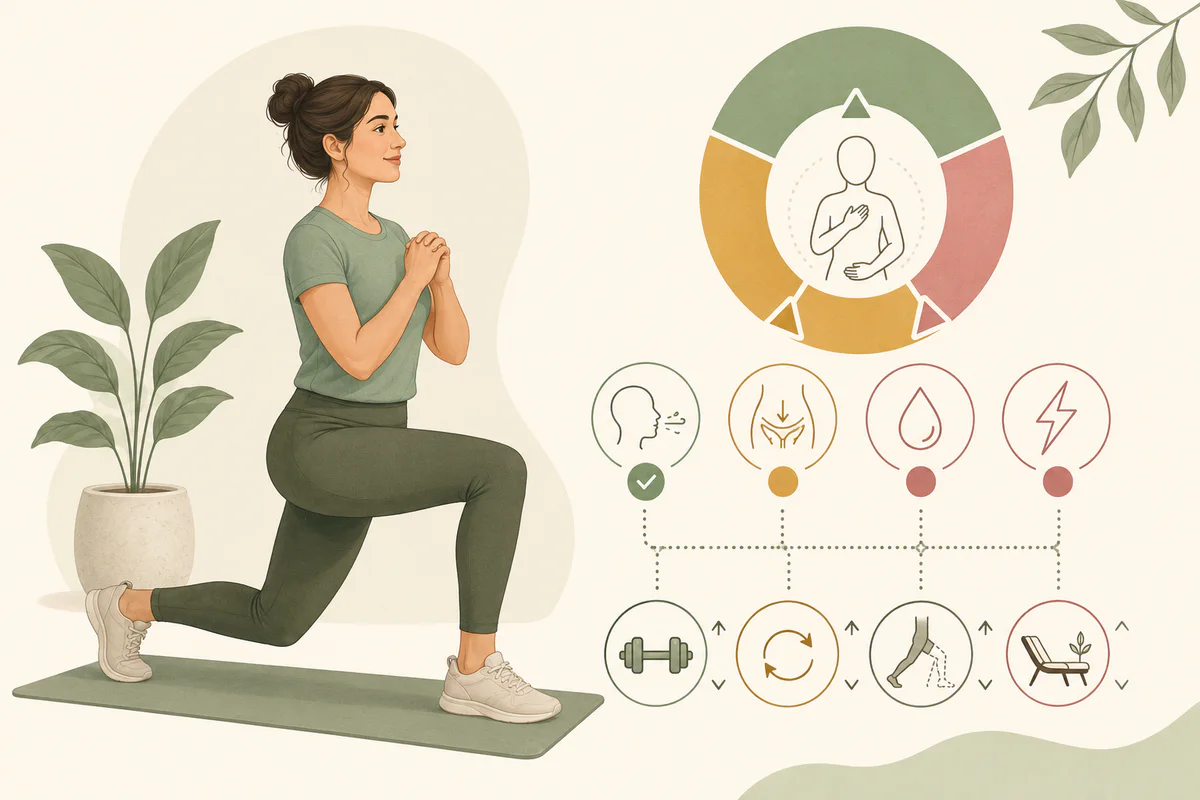
The best exercise depends on what your pelvic floor is doing—not only on the symptom you notice.

Pelvic floor exercise and breathing practice at home

Private In-Home Care

Treatment in the comfort and privacy of your home.

One-on-One Visits

Every appointment is focused entirely on you.

20+ Years of Experience

Experienced care with specialized pelvic health training.

BCBS PPO In-Network

Coverage varies by plan; we can help explain benefits.

Start With the Right Goal

Pelvic Floor Exercises Are Not One-Size-Fits-All

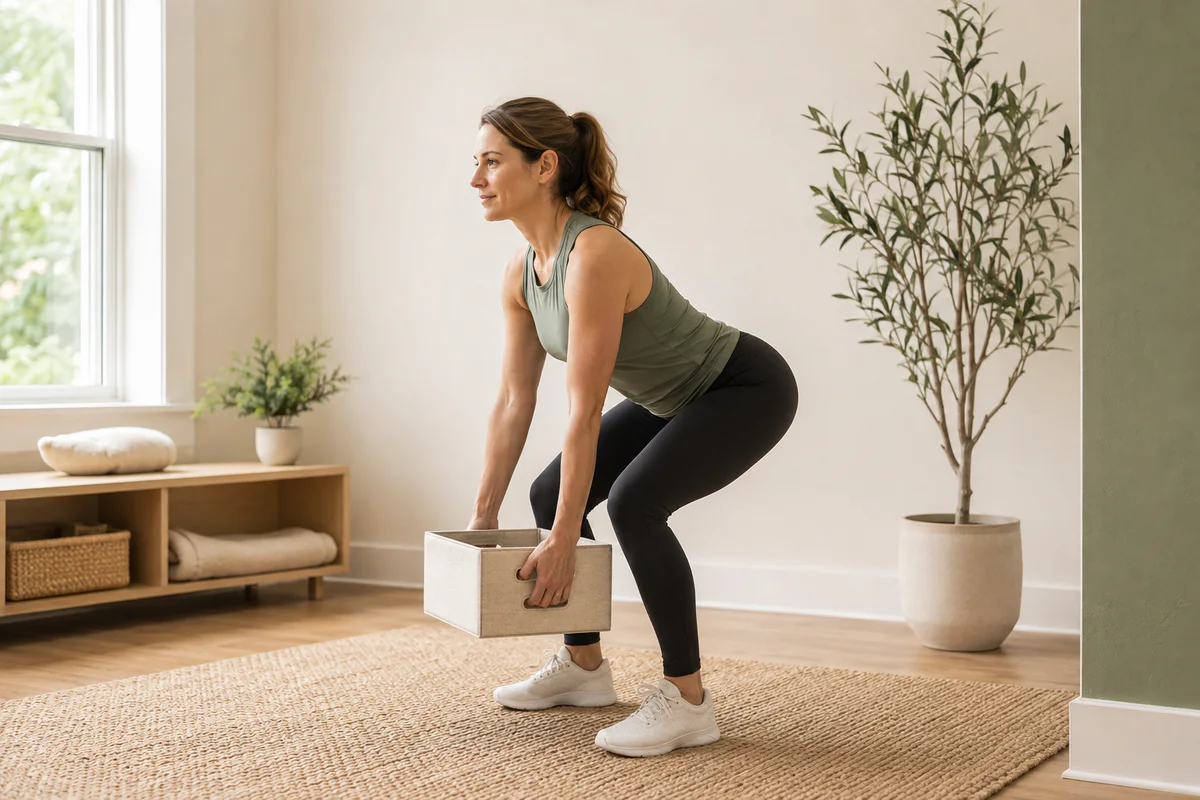
A pelvic floor can be weak, overactive, poorly coordinated or a combination of these. Two people with leakage or pain may need very different programs.

Use these examples as education, not as a diagnosis or prescription. A personalized evaluation can determine whether you need activation, relaxation, mobility, endurance or better timing.

Pause and reassess: An exercise should not cause pain, pelvic pressure, increased leakage or straining.
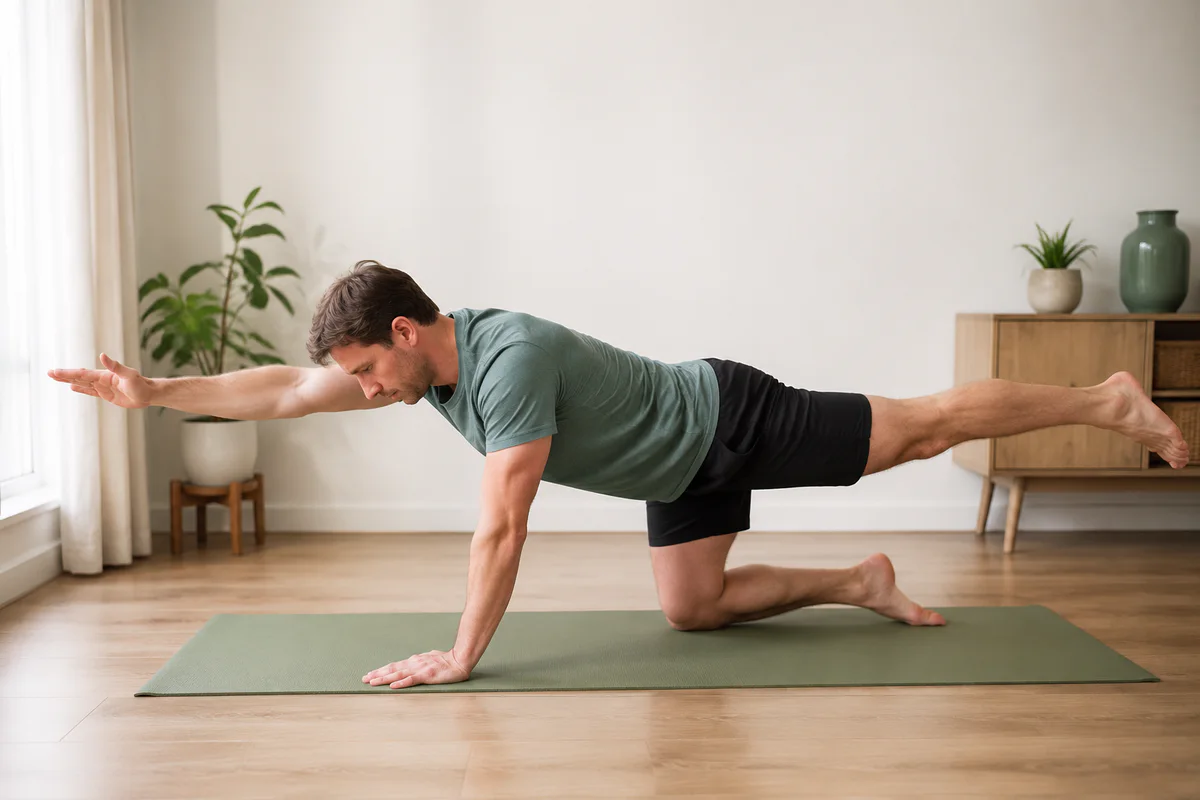
Dr. Melissa Scholl teaching breathing and core coordination during pelvic floor therapy

Exercise Library

Six Foundational Exercise Examples

Move slowly, breathe normally and choose only exercises that feel appropriate for your body.

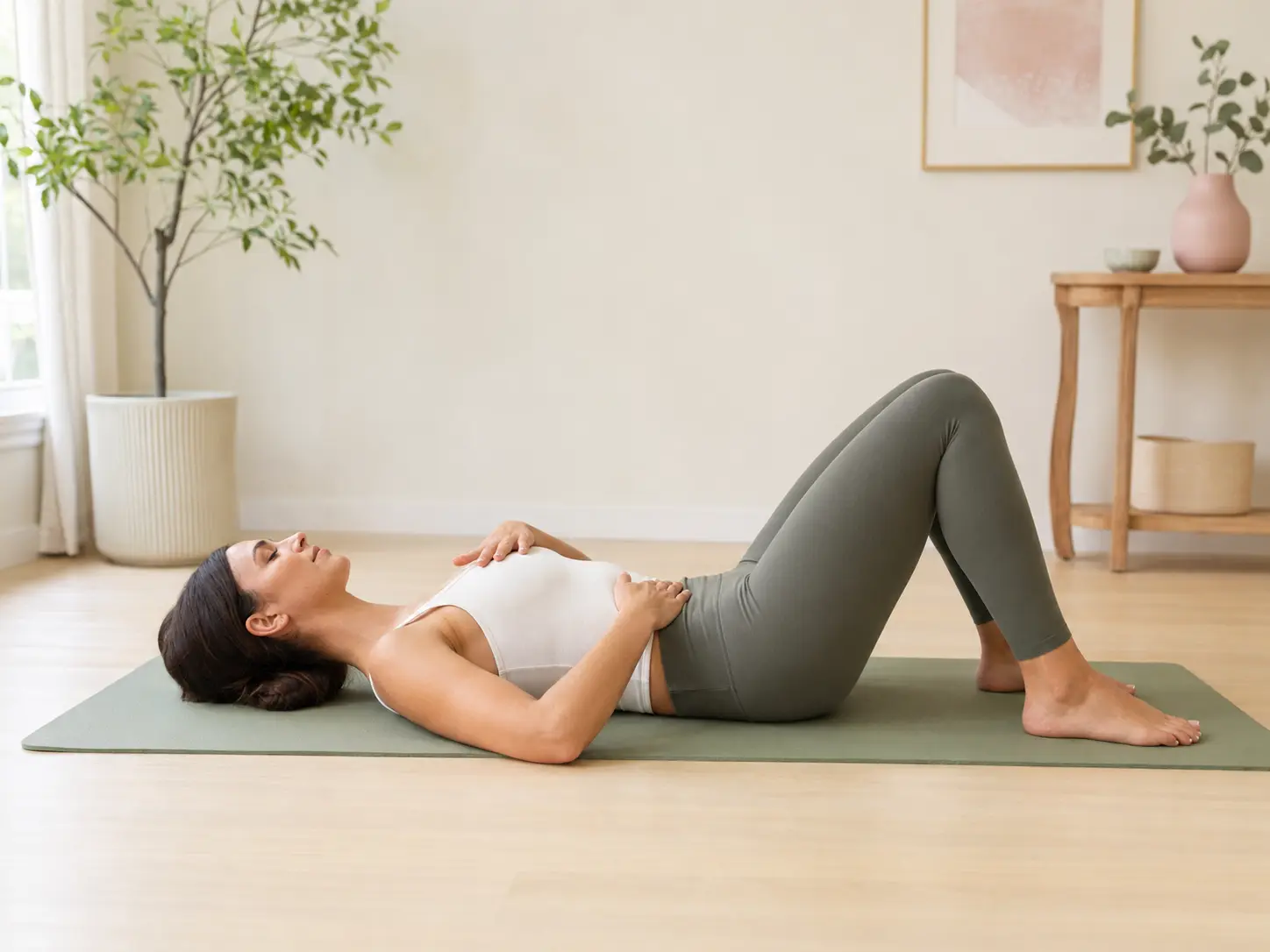
Person practicing diaphragmatic breathing

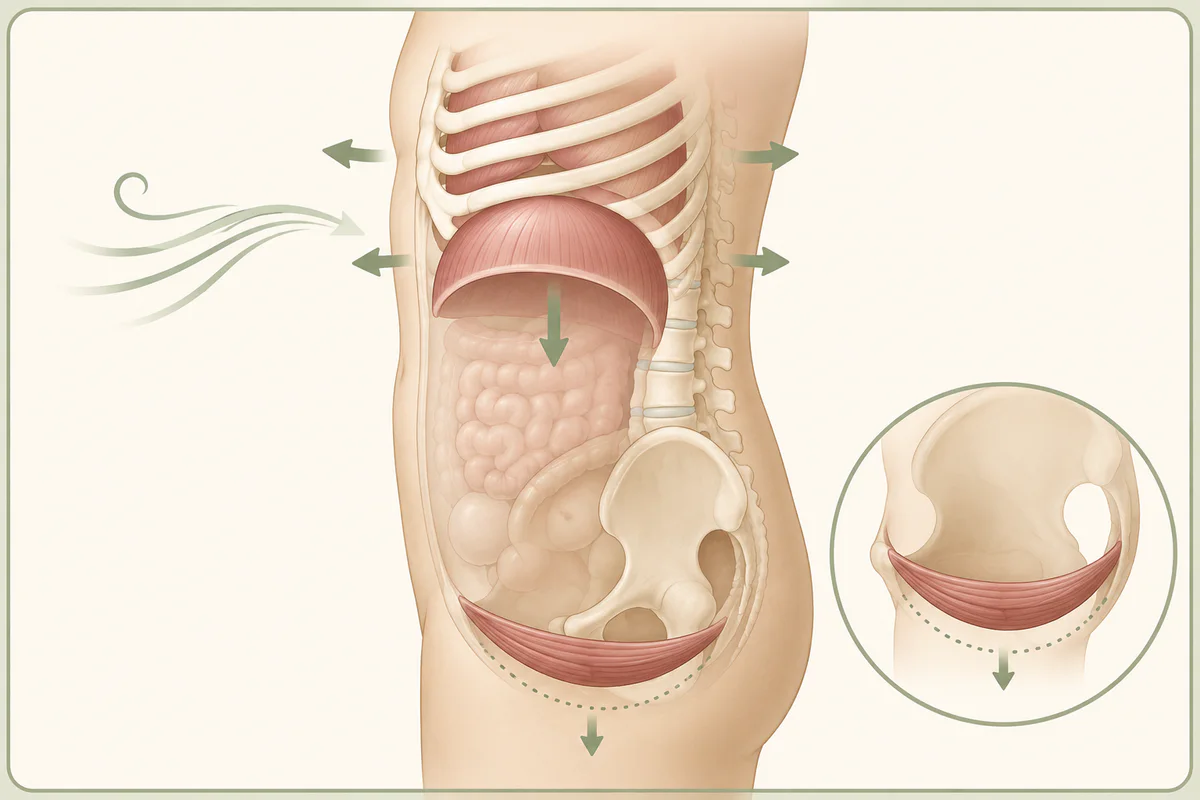
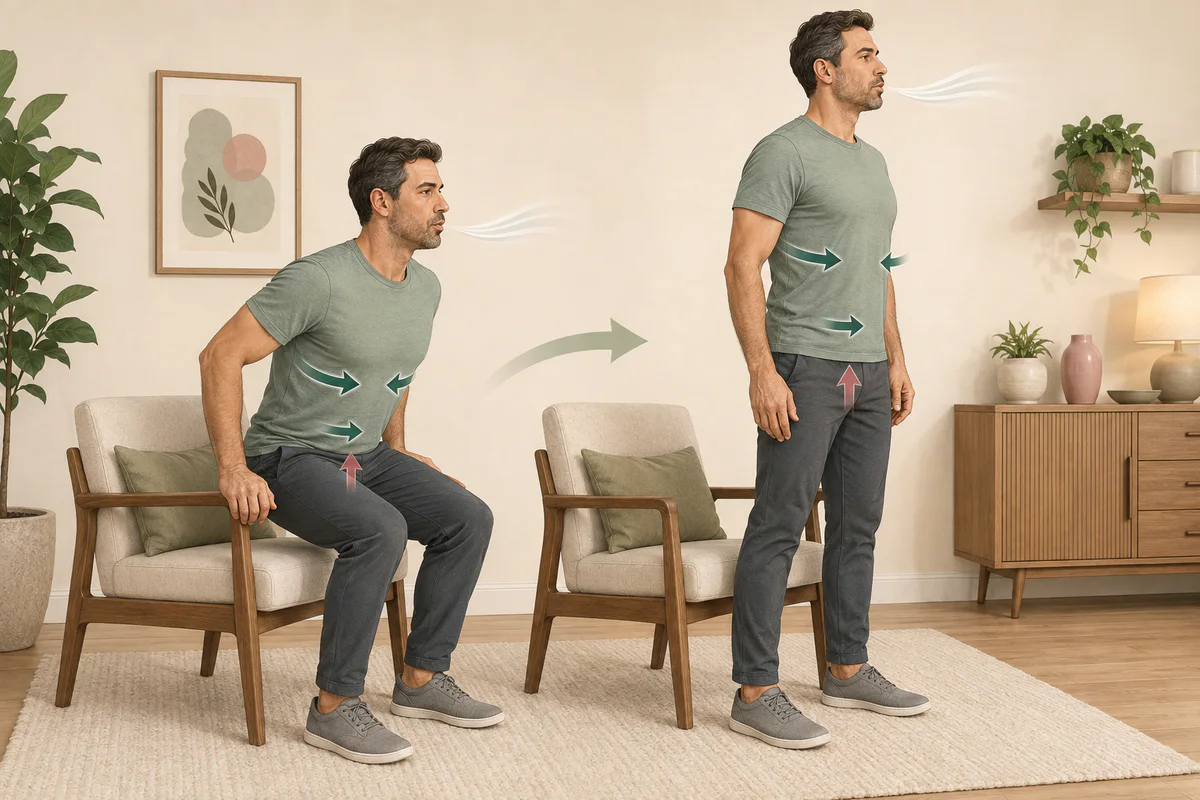
Diaphragmatic Breathing

Breathe into the ribs and abdomen while allowing the pelvic floor to respond naturally.

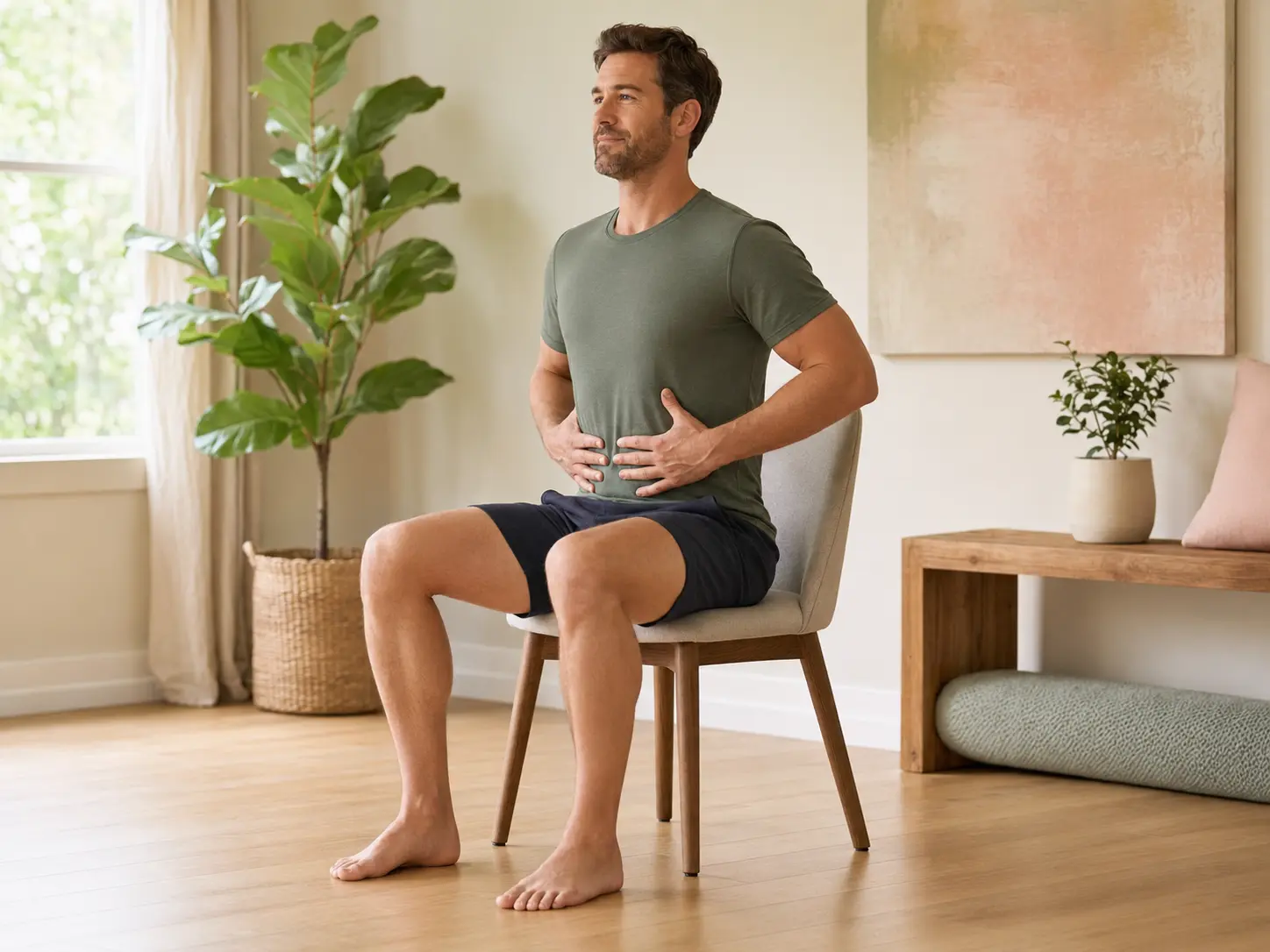
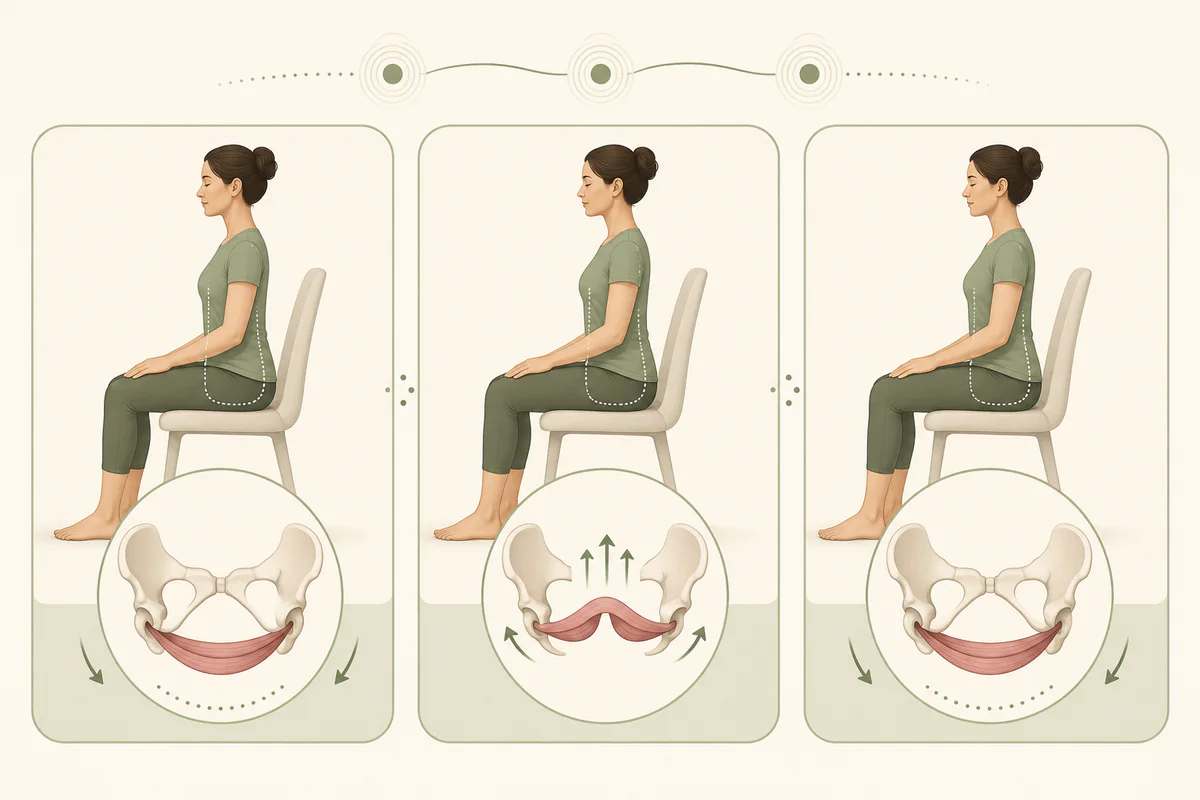
Person practicing a seated pelvic floor contraction

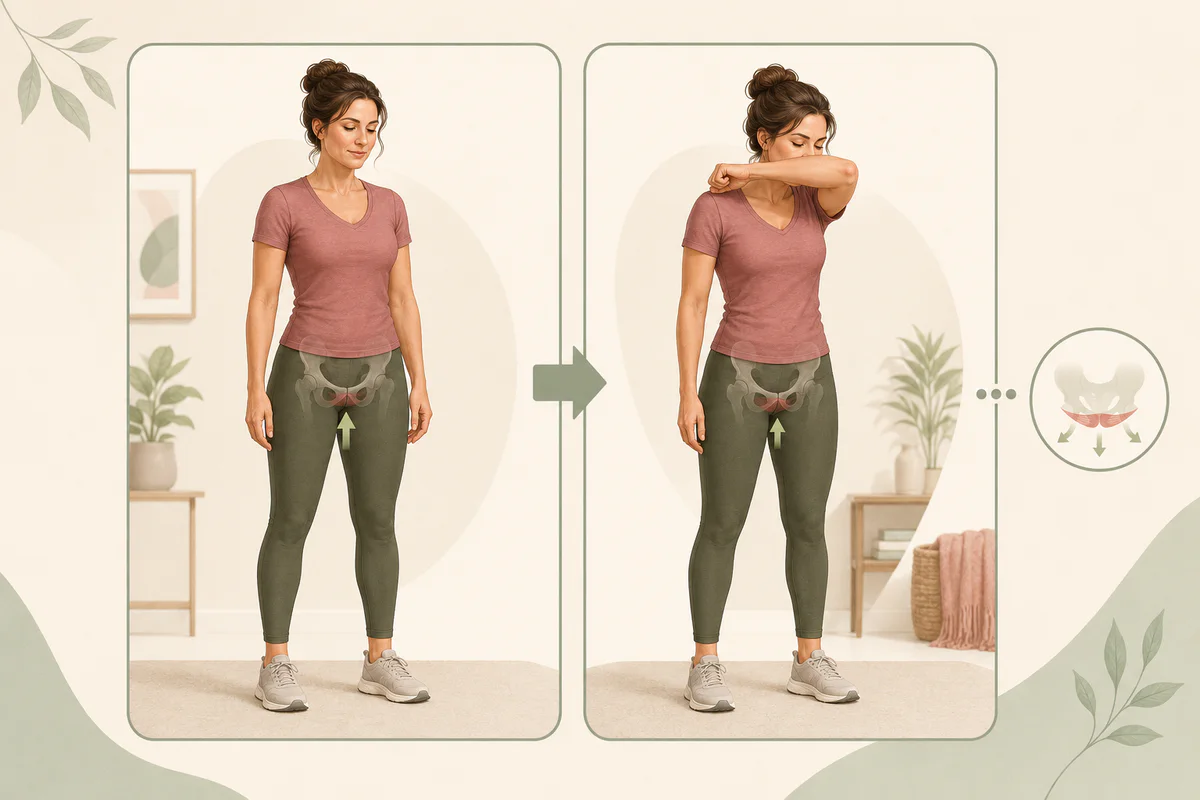
Pelvic Floor Contraction

Practice a gentle lift and close without bearing down or holding your breath.

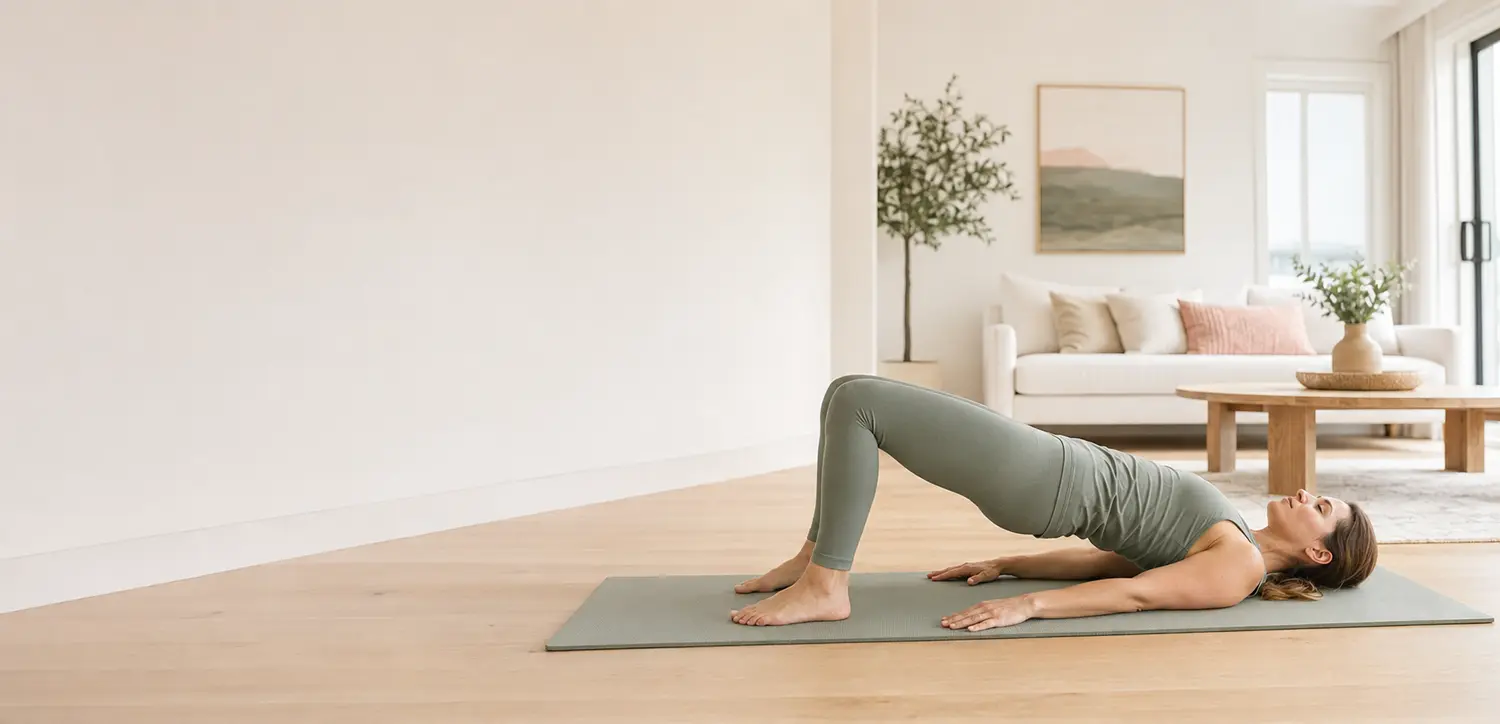
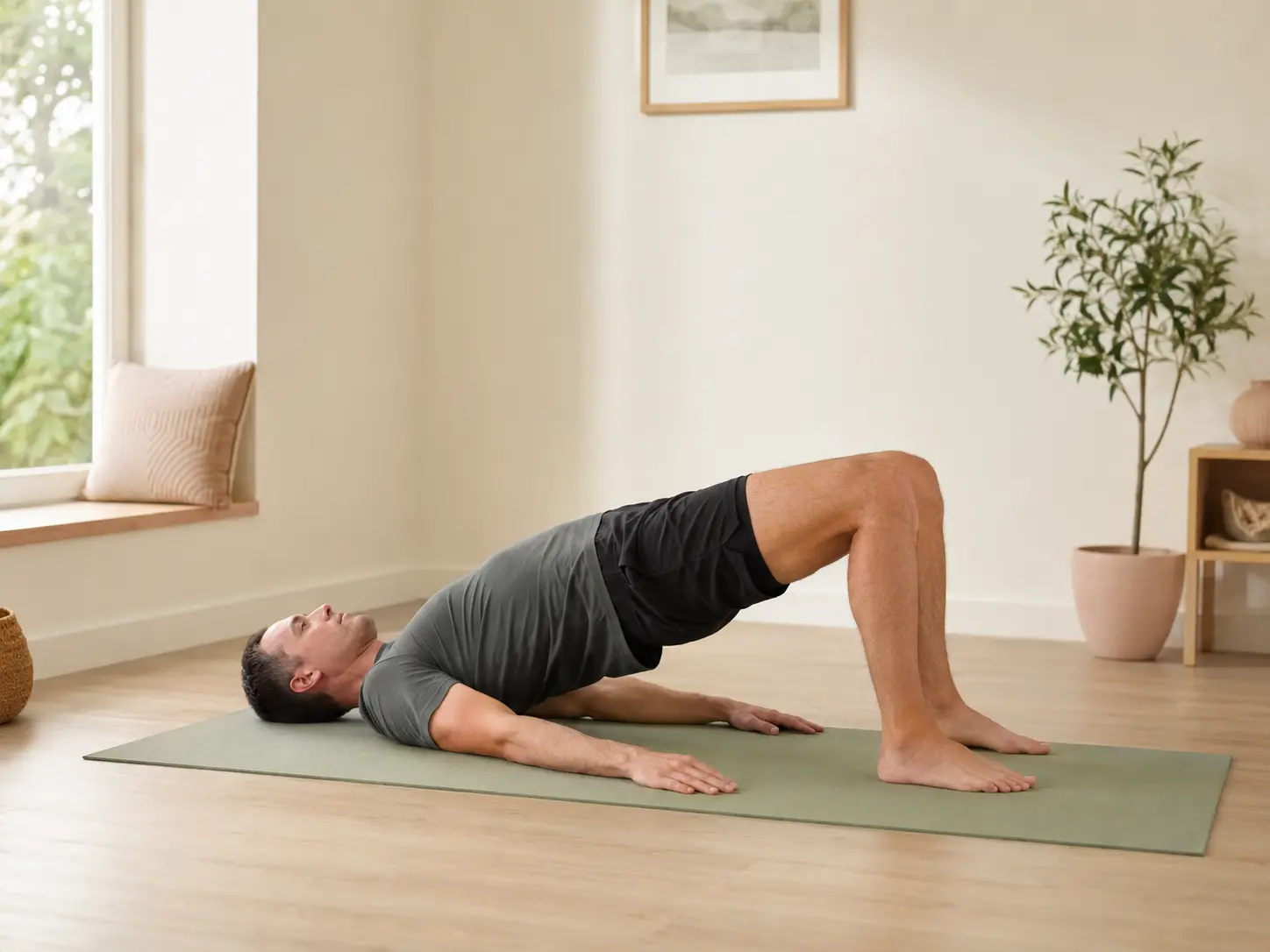
Person performing a bridge with exhale

Bridge With Exhale

Coordinate hips, core and pelvic floor during a functional strengthening exercise.

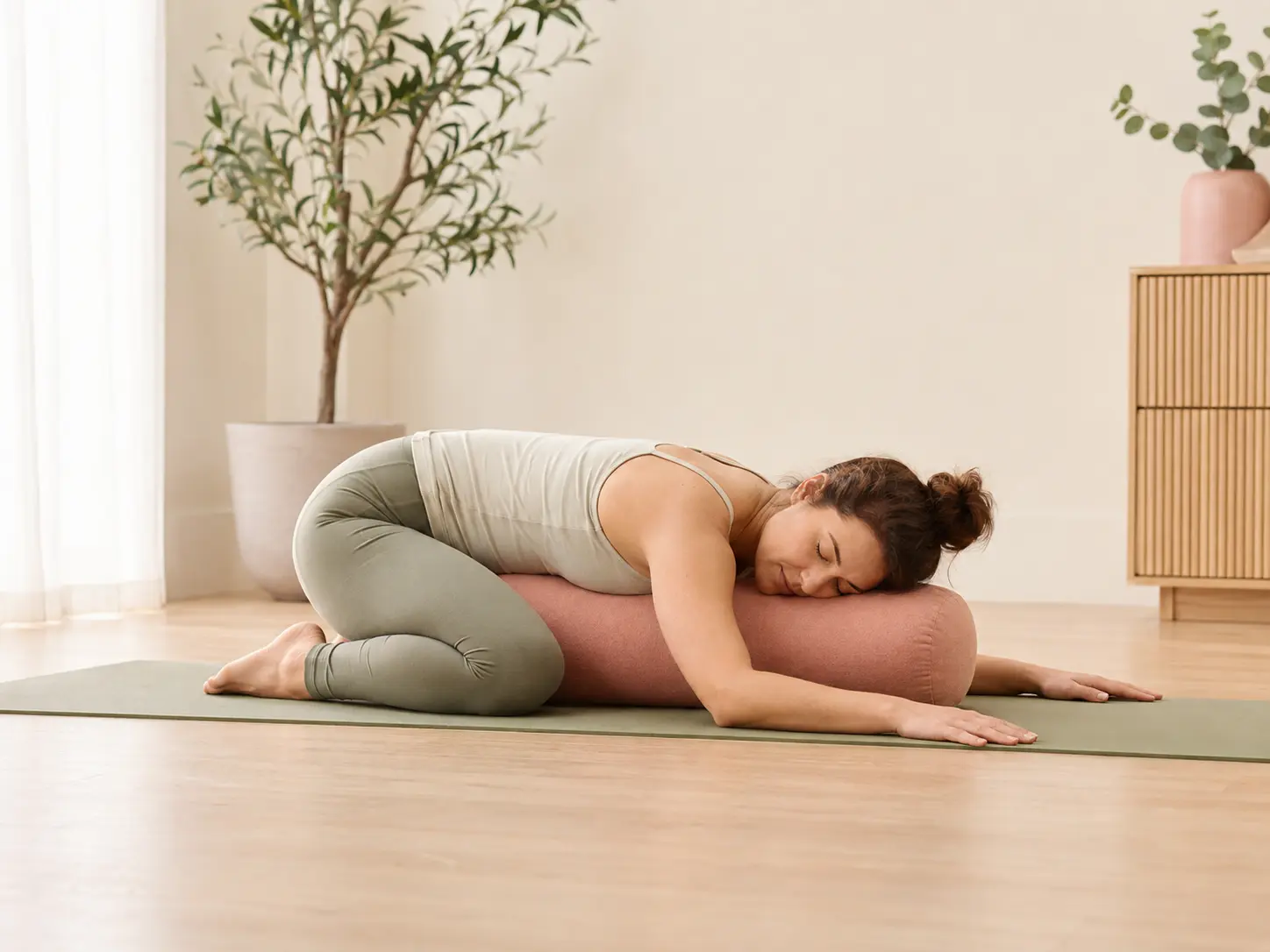
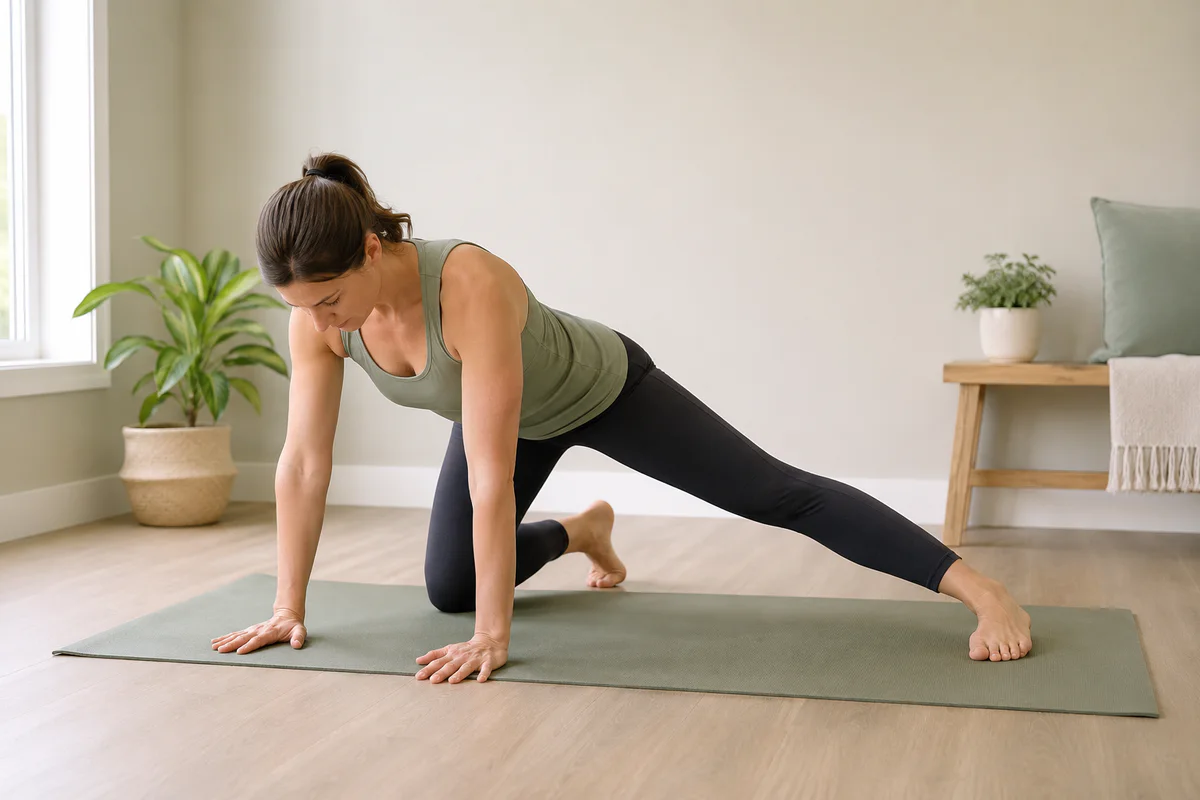
Person resting in supported child’s pose

Supported Child’s Pose

Use support and relaxed breathing to encourage pelvic-floor lengthening.

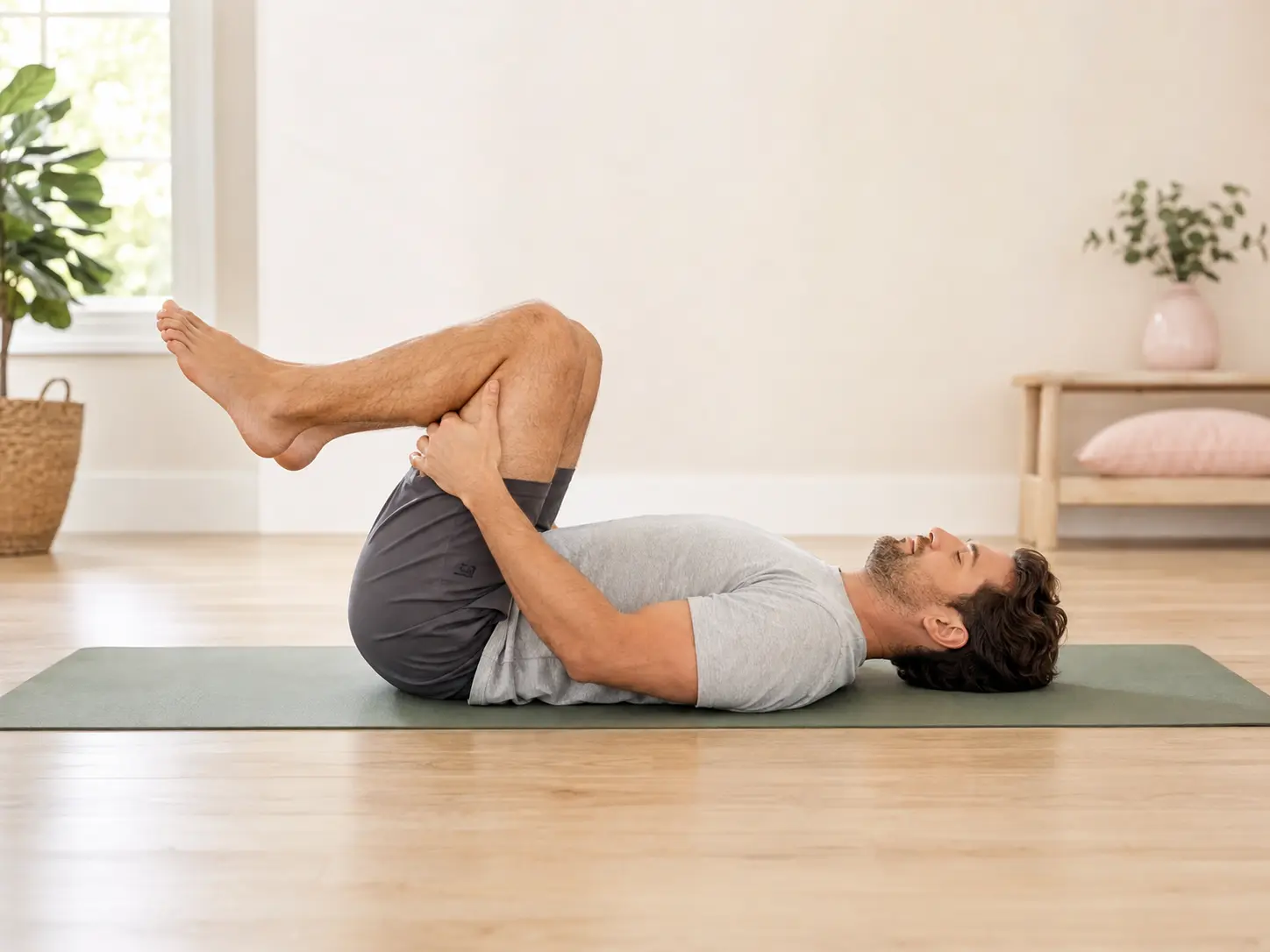
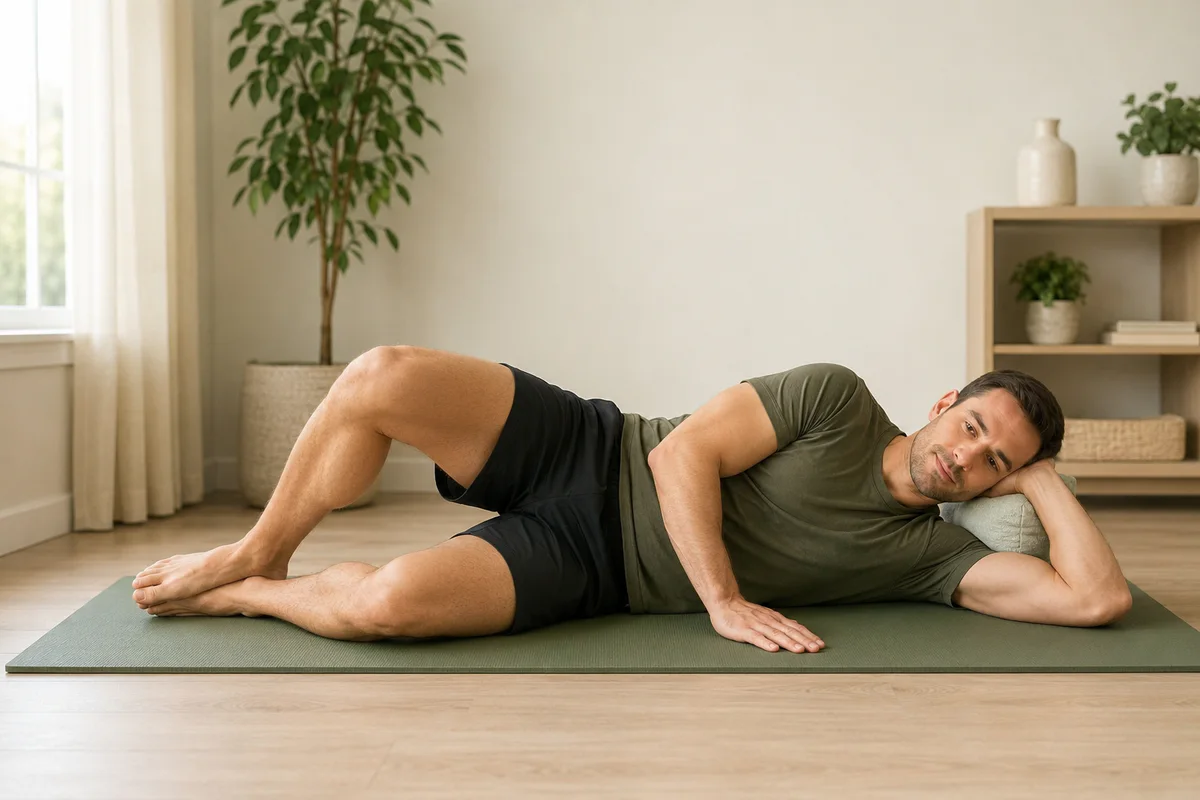
Person performing knees-to-chest relaxation

Knees-to-Chest Relaxation

Choose a comfortable position that reduces gripping through the hips and pelvis.

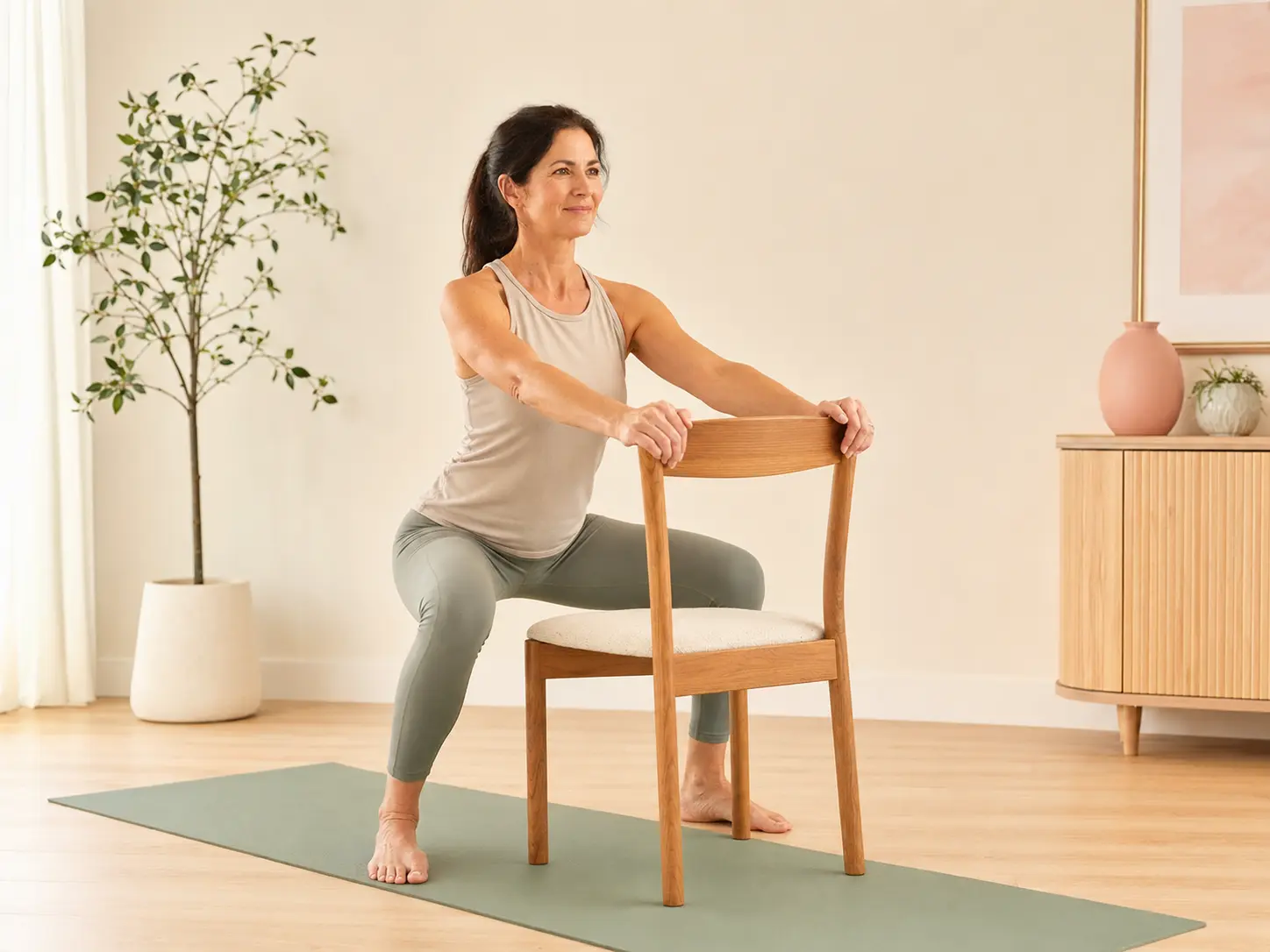
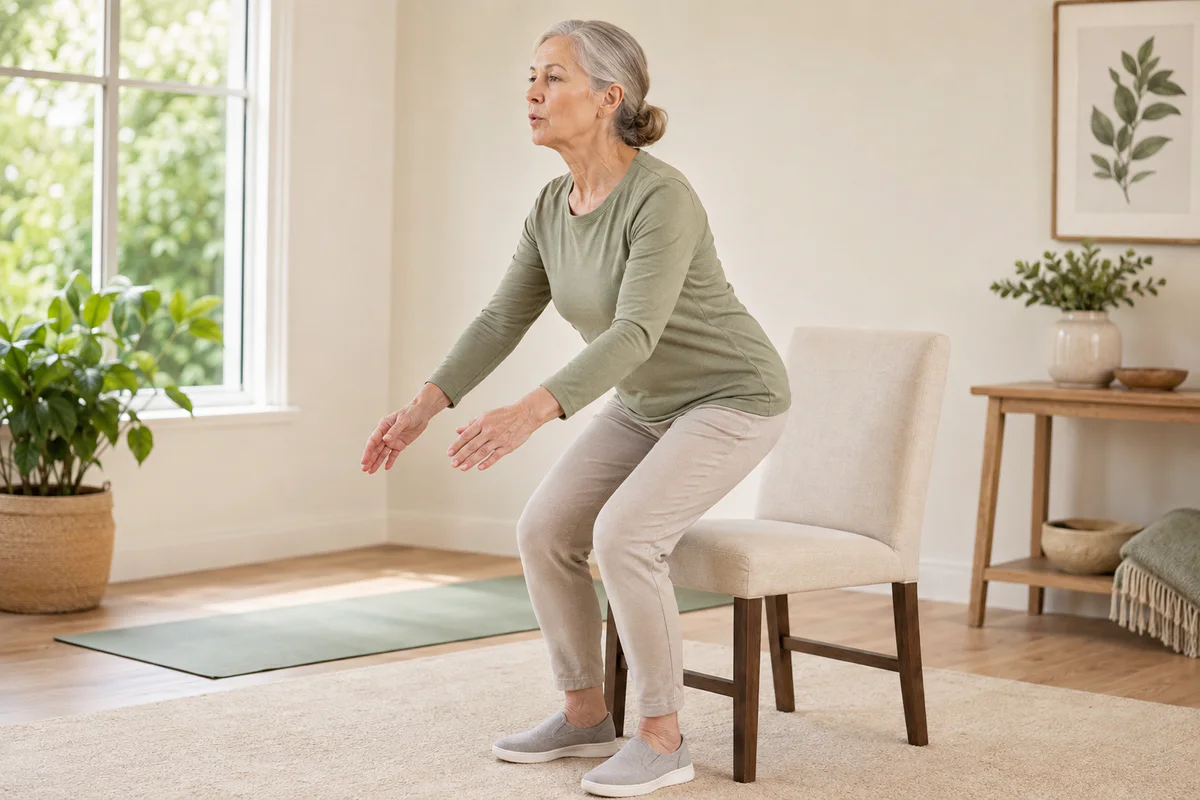
Person performing a supported squat

Supported Squat

Use support, alignment and breathing to explore hip and pelvic-floor mobility.

Strength or Relaxation?

Signs Point in Different Directions

You May Need Strength or Better Activation

Leakage, reduced support, difficulty creating a clear contraction or fatigue with activity may point toward strengthening—but technique and timing still matter.

You May Need Relaxation or Mobility

Pelvic pain, pain with intimacy, difficulty emptying, urgency or a constant gripping feeling may point toward down-training and mobility before strengthening.

Your First Visit

A Private Evaluation and a Clear Plan

You remain in control of every part of the appointment.

1

We Start With Your Story

Melissa listens to your symptoms, health history, routines and goals without rushing the conversation.

2

We Evaluate the Whole System

Assessment may include breathing, posture, mobility, hips, core and functional movement. Any internal assessment is optional.

3

You Leave With Direction

You will understand what to practice, why it matters and how the plan can progress.

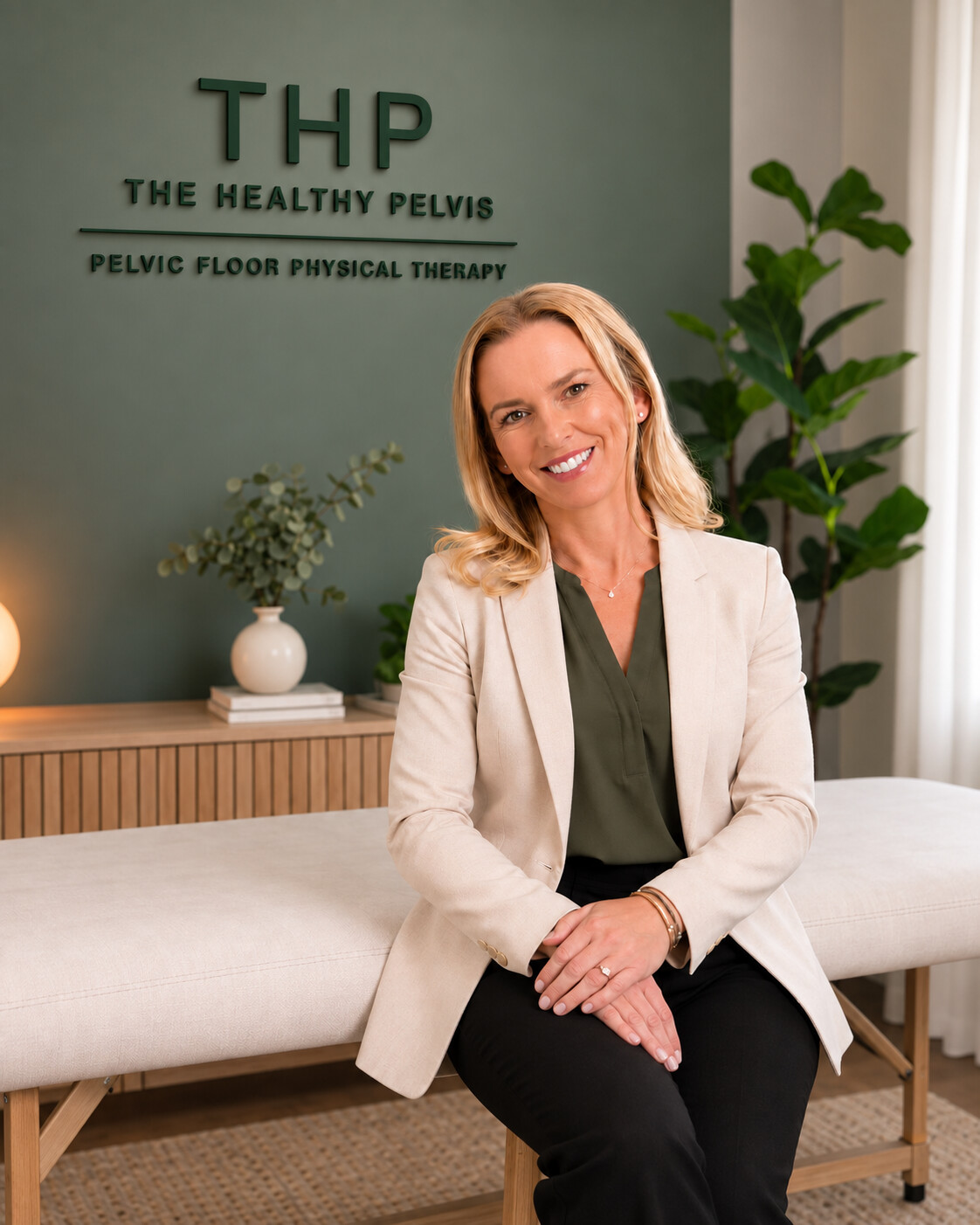
Dr. Melissa Scholl, pelvic floor physical therapist serving Elmhurst and Chicago’s western suburbs

Meet Your Physical Therapist

Meet Dr. Melissa Scholl

Doctor of Physical Therapy • Pelvic Health Specialist • 20+ Years of Experience

Melissa provides personalized pelvic floor physical therapy for women and men with bladder, bowel, pelvic pain, pregnancy, postpartum and post-surgical concerns.

She takes time to listen, explain each recommendation and make sure you feel informed and in control throughout care.

Learn more about Dr. Melissa Scholl

Common Questions

Pelvic Floor Exercises for Women and Men FAQs

Should everyone do Kegels?

No. Some people need strengthening, while others need relaxation, mobility or better coordination. Symptoms alone do not always reveal which approach is appropriate.

How often should I do pelvic floor exercises?

Frequency depends on the exercise, your starting function and your response. More is not automatically better.

How do I know whether I am contracting correctly?

A correct contraction generally lifts and closes without breath-holding, bearing down or excessive buttock and thigh tension. Individual assessment provides clearer feedback.

Can exercises help a tight pelvic floor?

Relaxation, breathing and mobility exercises may help when tension or poor relaxation contributes to symptoms.

When should I stop an exercise?

Stop or modify an exercise that causes pain, pressure, worsening leakage, dizziness or other concerning symptoms, and seek individualized guidance.

Can I schedule a visit to learn the right exercises?

Yes. Melissa can evaluate your current function and create a program for your symptoms and goals.

In-Home Visits

Serving Elmhurst and Nearby Western Suburbs

Private pelvic floor physical therapy is available in Elmhurst, Oak Brook, Hinsdale, Lombard, Villa Park, Bensenville, Westmont, Oakbrook Terrace and Westchester.

View All Locations

Not sure whether your home is in the service area?

Call 331-243-6513 or start with a free phone consultation.
Find the Right Pelvic Floor Exercises for You

Get an individualized plan for your symptoms, strength, coordination and goals.

Hello, World!