Do I need a referral?
Illinois allows physical therapists to provide care with or without a referral. Your insurance plan may have its own requirements, and we can help you check.
 Call 331-243-6513
Clear Answers. Comfortable Care.
Wondering what pelvic floor therapy is, what happens at an evaluation, or whether it can help your symptoms?
Find straightforward answers about private in-home care for women and men, BCBS PPO benefits, pregnancy, postpartum recovery, bladder and bowel concerns, pelvic pain, intimacy, and men’s pelvic health.

One-on-one visits in the comfort and privacy of your home.
Personalized pelvic health support through many stages of life.
Thoughtful care from Dr. Melissa Scholl, PT, DPT.
Coverage varies by plan; benefits can be reviewed before care.
Start Here
You do not need to know exactly what is wrong—or which service to select—before you reach out.
Illinois allows physical therapists to provide care with or without a referral. Your insurance plan may have its own requirements, and we can help you check.
No. Any internal assessment is optional, explained beforehand, and completed only with your informed consent. You may decline or stop at any time.
No. Some pelvic floors need strengthening; others need relaxation, mobility, or better coordination. Your plan should match your evaluation.
Your First Appointment
Your visit begins with time to discuss your symptoms, medical history, routines, and goals. Assessment may include breathing, posture, movement, hips, core function, and how the pelvic floor coordinates with the rest of your body.
Dr. Melissa Scholl explains what she finds and why it matters. You leave with practical next steps—not a generic exercise sheet.

Find the Right Topic
Pelvic health symptoms often overlap. These links provide deeper information about each area of care.
Frequently Asked Questions
Open any question below. If your concern is not covered, call or schedule a free consultation.
What pelvic floor therapy treats and how to decide whether it may be right for you.
Pelvic floor physical therapy is specialized care for the muscles, joints, nerves, connective tissues, breathing patterns, and movement strategies that influence bladder, bowel, sexual, core, and pelvic function. Treatment is personalized to your symptoms, goals, and comfort level.
The Healthy Pelvis treats bladder leakage, urinary urgency and frequency, pelvic pain, pain with intimacy, constipation and bowel dysfunction, pregnancy-related discomfort, postpartum recovery, diastasis recti, pelvic pressure, tailbone pain, men’s pelvic health concerns, and recovery before or after prostate surgery. See all pelvic floor therapy services.
If bladder, bowel, pelvic pain, pregnancy, postpartum, sexual health, or prostate-surgery concerns are limiting daily life, exercise, sleep, travel, or confidence, an evaluation may help identify contributing factors and practical treatment options.
No. Symptoms can overlap, and you do not need to diagnose yourself. Describe what you are experiencing when you schedule, and Melissa can help determine the most appropriate starting point.
Illinois permits physical therapists to provide services with or without a referral. Some insurance plans may still require a referral or other documentation, so coverage requirements should be confirmed for your specific plan.
Yes. The free 15-minute consultation gives you a chance to describe your concerns, ask questions, and learn whether an evaluation may be appropriate. It is an informational call without an examination, diagnosis, treatment, or obligation.
What to expect, what is optional, and how your plan is created.
The evaluation starts with a detailed conversation about your symptoms, health history, goals, and daily activities. Assessment may include posture, breathing, movement, strength, mobility, hips, core function, and pelvic floor coordination. Melissa then explains her findings and outlines a personalized plan.
An internal vaginal or rectal assessment is one optional tool that can provide information about muscle strength, tension, tenderness, and coordination. It is never required and is performed only after its purpose is explained and you give informed consent.
Yes. Many useful treatment options do not require an internal assessment, including education, breathing and pressure management, movement assessment, mobility work, core and hip strengthening, bladder or bowel retraining, and external hands-on techniques.
Treatment should not force you through pain. Melissa uses your feedback to adjust positioning, pressure, exercises, and pacing. Sensitive techniques are explained before they are performed, and you remain in control throughout the visit.
Wear comfortable clothing that allows you to move. If any assessment would require changing clothing or draping, Melissa will explain it first and provide privacy. You may decline any part of the evaluation.
Not necessarily. Kegels may help some people, but they are not appropriate for every condition. A pelvic floor that is tight, overactive, or poorly coordinated may need relaxation and coordination work rather than more strengthening.
The number of visits varies with your symptoms, goals, medical history, and how long the problem has been present. Some people notice meaningful change in a few visits, while more complex concerns may need a longer plan. Recommendations are reviewed after the evaluation and adjusted as you progress.
Practical details about receiving private, one-on-one care.
Yes. The Healthy Pelvis is a concierge practice providing private, one-on-one pelvic floor physical therapy in your home. This eliminates travel and waiting rooms while allowing care to connect directly with your real routines and environment.
Melissa brings the treatment table and appropriate therapy equipment. Your individual plan may also use simple household items, floor space, stairs, or exercise equipment you already own when that makes treatment more practical.
Initial evaluations are generally 60 to 75 minutes. Follow-up visits are generally 60 minutes and remain one-on-one throughout the appointment.
The Healthy Pelvis is in-network with BCBS PPO plans. Coverage, deductibles, coinsurance, referral rules, and patient responsibility vary by plan. For other insurance plans, a superbill may be available for possible out-of-network reimbursement.
Current service areas include Elmhurst, Oak Brook, Hinsdale, Lombard, Villa Park, Bensenville, Westmont, Oakbrook Terrace, Westchester, Western Springs, La Grange, Berkeley, Northlake, Addison, and Glen Ellyn, as well as some nearby communities. View the current service area.
Scheduling is designed to work for busy families, working professionals, and new parents whenever availability allows. Contact The Healthy Pelvis early if you need a specific day or time.
Support before birth and after vaginal delivery or C-section.
Pelvic floor therapy can be adapted to pregnancy and your specific symptoms. Care may address pelvic or low-back pain, pubic symphysis discomfort, bladder leakage, pressure management, mobility, and birth preparation. Treatment is modified for your trimester and medical guidance.
Yes. Postpartum therapy can address bladder leakage, pelvic pressure, pain, scar mobility, core weakness, diastasis recti, bowel concerns, and return to exercise after vaginal birth or C-section.
Timing depends on your delivery, healing, symptoms, and medical guidance. Education, breathing, positioning, and gentle movement can sometimes begin early, while internal assessment and higher-level exercise are introduced only when appropriate.
Yes. Care may address abdominal and incision sensitivity, scar mobility, breathing mechanics, core coordination, lifting, back or pelvic pain, and a gradual return to exercise.
Therapy may improve breathing, abdominal coordination, pelvic floor support, pressure management, strength, bowel mechanics, and activity strategies. The focus is on improving function and confidence rather than relying on one measurement.
Common symptoms that may improve with individualized pelvic floor care.
Yes. Treatment may improve leakage with coughing, sneezing, exercise, lifting, or urgency by addressing pelvic floor coordination, strength, breathing, pressure management, and bladder habits.
Frequent urges may be influenced by bladder sensitivity, learned habits, fluid patterns, constipation, or pelvic floor tension and coordination. Therapy can identify contributing patterns and use bladder retraining, urge-management strategies, breathing, and movement to help.
Yes. Difficulty emptying can involve pelvic floor muscles that do not relax or coordinate well. Treatment may include toileting position, breathing, abdominal pressure management, muscle relaxation, movement, and bowel-habit education.
Yes. The pelvic floor works with the hips, abdomen, low back, and tailbone. Treatment looks at muscle tension, mobility, strength, breathing, nerves, scars, and movement patterns that may be contributing to pain.
Yes. Pain may be related to pelvic floor tension, scar sensitivity, hormonal changes, childbirth, surgery, or protective muscle guarding. Care is private, paced to your comfort, and may include education, relaxation, mobility, external or optional internal techniques, and gradual return to comfortable intimacy.
Yes. Tight or overactive muscles can contribute to pelvic pain, urinary urgency, constipation, discomfort with intimacy, and difficulty fully emptying the bladder or bowel. In those cases, treatment often emphasizes relaxation and coordination rather than strengthening.
Care for urinary, bowel, pain, and post-prostatectomy concerns.
Yes. Men have pelvic floor muscles, and pelvic floor dysfunction can affect bladder control, bowel function, sexual health, pelvic pain, and recovery following prostate surgery.
Yes. Preoperative education and postoperative rehabilitation may improve pelvic floor coordination, bladder-control strategies, breathing, core function, and confidence during recovery. Learn about post-prostatectomy therapy.
Yes. Therapy may help with pelvic, groin, tailbone, testicular, abdominal, or sitting-related pain when muscles, nerves, mobility, breathing, or movement patterns contribute to symptoms.
Yes. Treatment may address pelvic floor coordination, strength, bladder habits, breathing, pressure management, and movement strategies for leakage related to prostate surgery or other pelvic floor dysfunction.
Pelvic floor function can influence sexual function. In some cases, pelvic floor therapy may be one part of a broader plan after appropriate medical evaluation. Recommendations are individualized to symptoms, health history, and goals.
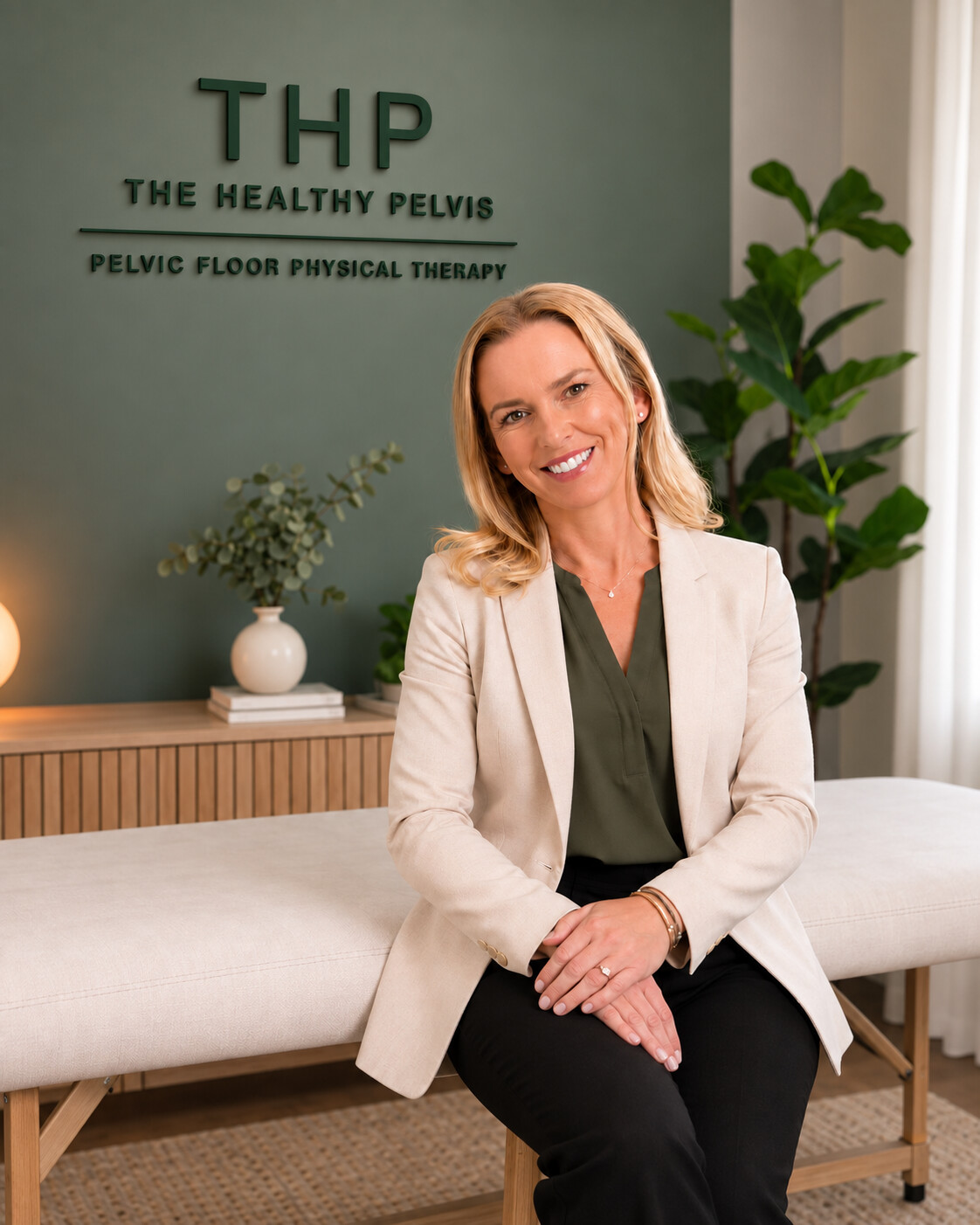
Meet Your Physical Therapist
Melissa brings nearly 20 years of physical therapy experience and advanced pelvic health training to every visit. Her approach is practical, respectful, and centered on helping you understand your symptoms and feel confident in your plan.
Every appointment is private and one-on-one, with time to ask questions about concerns that are often difficult to discuss.
In-Home Visits
Private pelvic floor physical therapy is available in Elmhurst, Oak Brook, Hinsdale, Lombard, Villa Park, Bensenville, Westmont, Oakbrook Terrace, Westchester, Western Springs, La Grange, Berkeley, Northlake, Addison, and Glen Ellyn and surrounding communities.
View All LocationsCall 331-243-6513 or use the free 15-minute consultation to ask whether pelvic floor physical therapy may be a good fit.
Tell Melissa what you are experiencing and take the first step toward feeling more comfortable and confident.